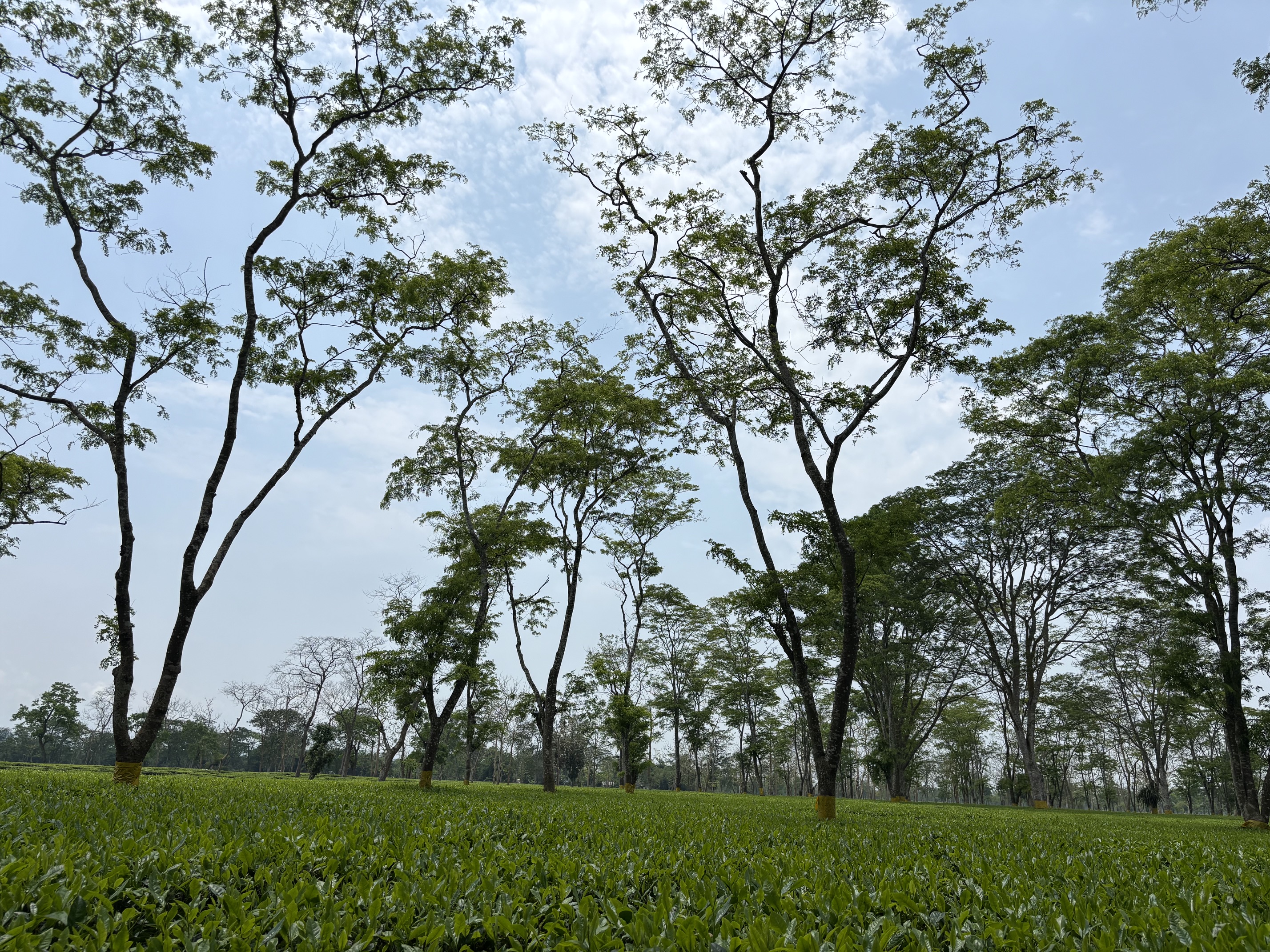
Growing with responsibility
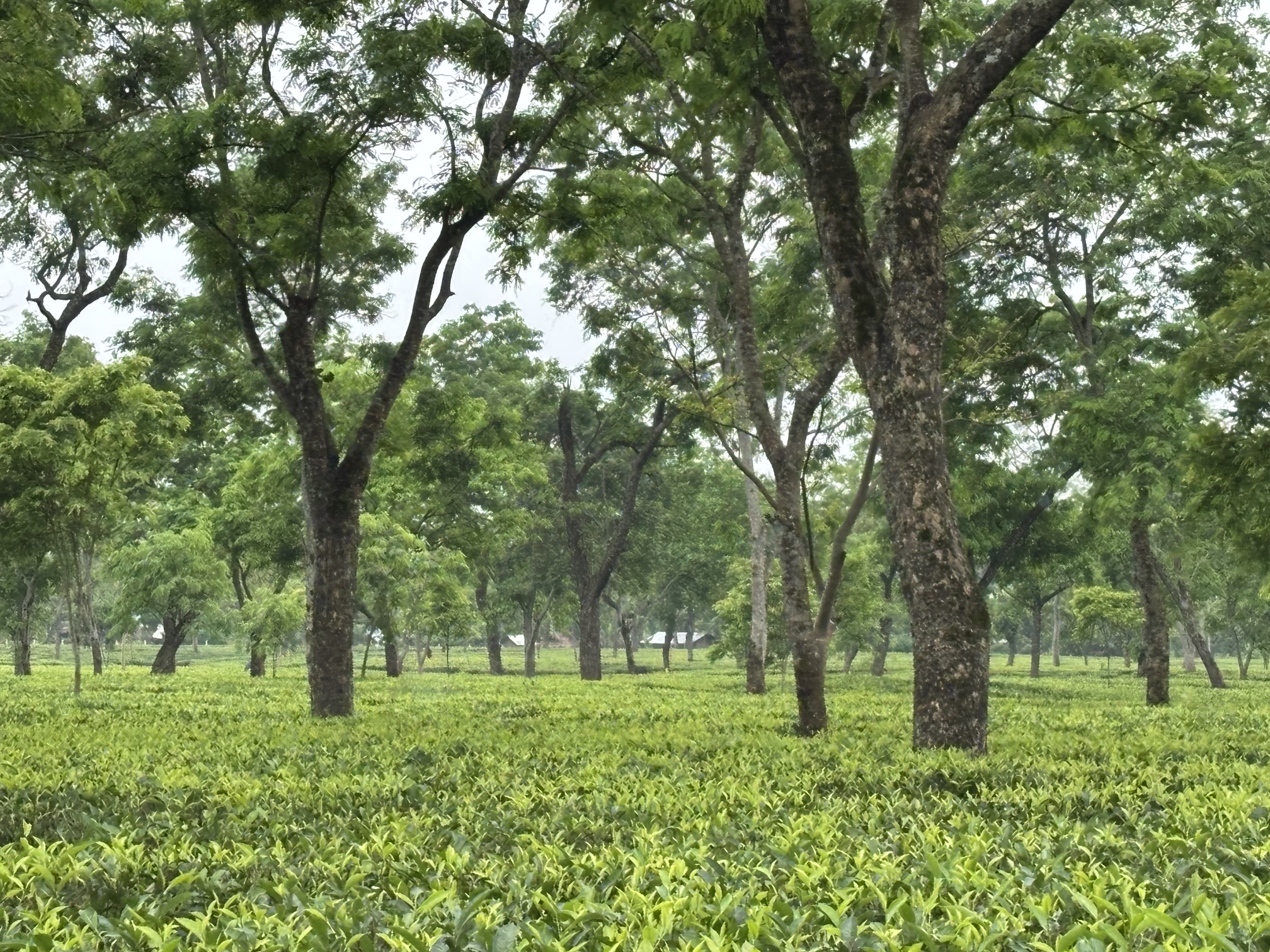
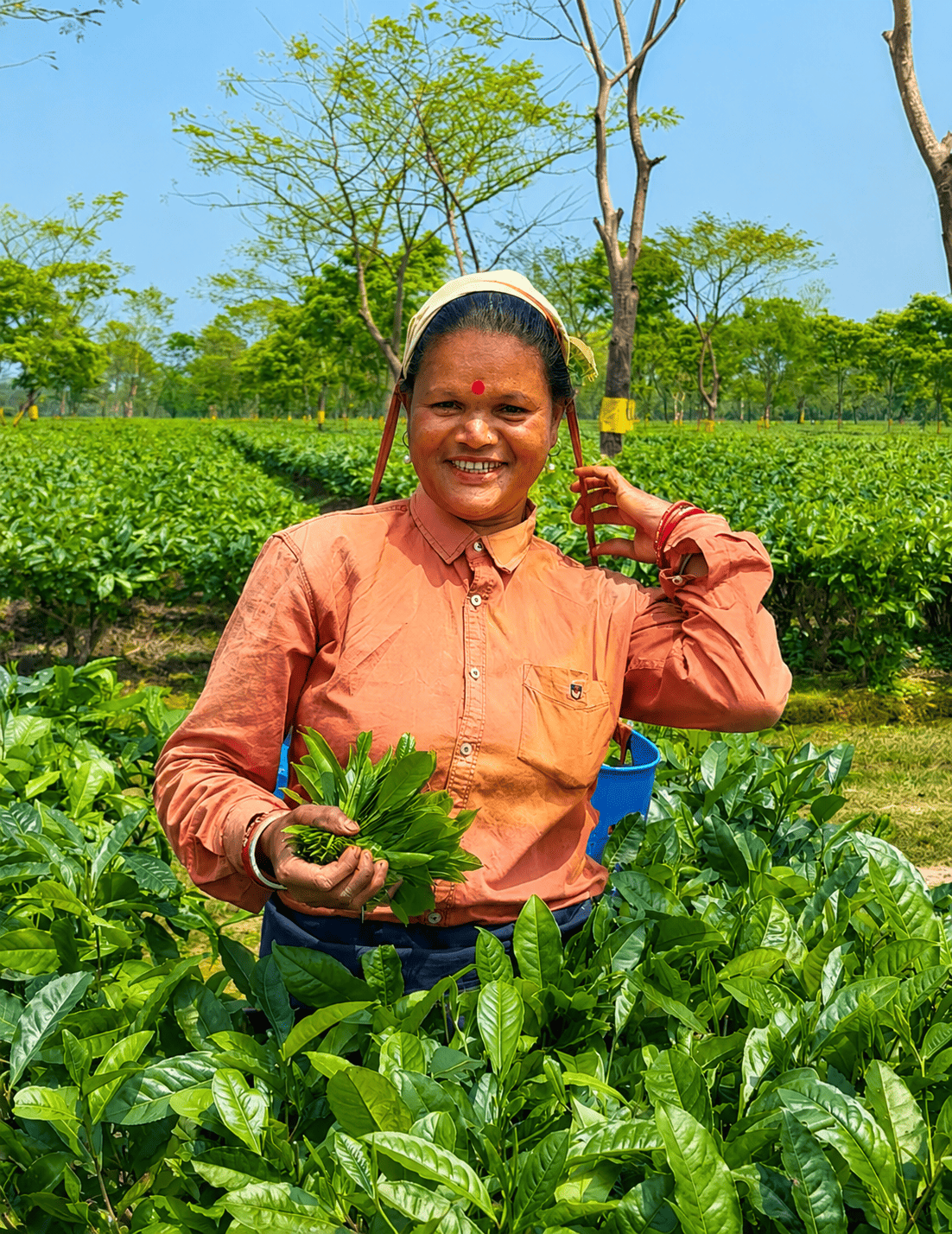
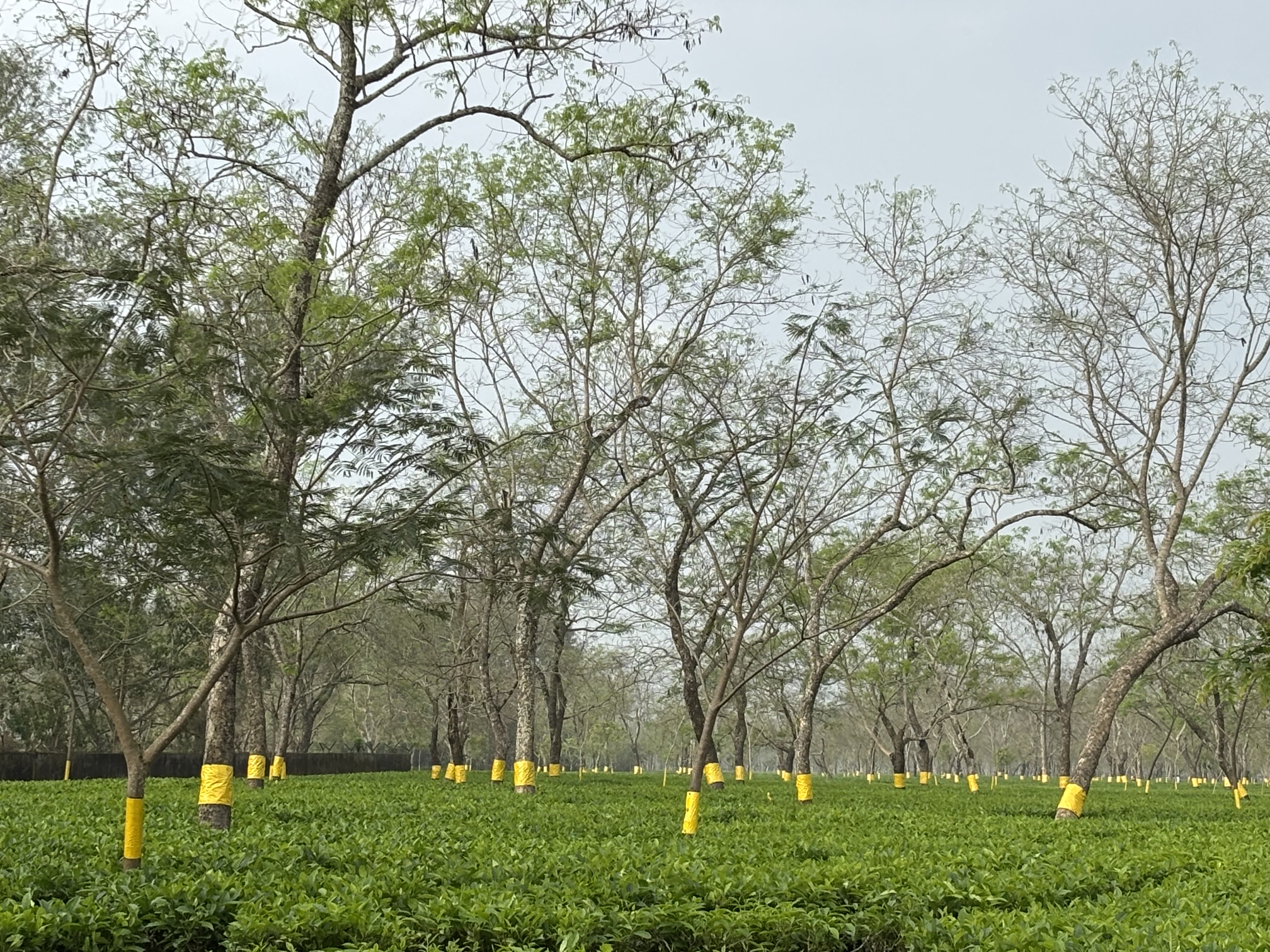
Our core mission is to establish an active agro-ecosystem that is socially responsible, ecologically sustainable, and economically viable. We achieve this by maximizing organic inputs, prioritizing biological disease controls, and intentionally altering field habitats to encourage natural pest predators to thrive.
Soil rejuvenation through extensive vermiculture stands at the center of our cycle, utilizing indigenous earthworm species to process organic residues into rich nutrient matrices. This estate-produced vermicompost is integrated precisely during nursery rooting-sleeve filling, block replanting, and mature field applications to cultivate robust macro- and micro-flora activity.
Our field maintenance remains deeply non-invasive; weed management is executed manually utilizing traditional sickles and daws wherever possible. By choosing naturally resilient planting materials and setting physical insect barriers, we fulfill the nutritional demands of our tea without disrupting the local ecology.
The Pillars of Eco-Integrity
The Trustea Code was formally launched on September 14th, 2013 — designed to evaluate the environmental practices, worker safety standards and livelihood conditions across India's tea gardens. Sundarpur is proud to carry this mark.
Sundarpur Tea Estate addresses its environmental footprint, soil restoration, chemical control, workplace safety, and structural livelihood standards under the trustea Standard Version 3.1.0. All field records, laboratory test reports, and worker payment registries are archived for a minimum of four years to maintain full audit readiness and verification transparency.
Soil Health Management
Systematic soil classification, comprehensive erosion protection layouts, and intensive organic application cycles utilizing estate-produced vermiculture to preserve baseline microbiology.
Water Conservation
Active conservation of riparian buffers, regular processing water filtration audits, rainwater harvesting deployment, and rigorous protection of natural catchments from run-off.
Agrochemical Management
Absolute adherence to the Plant Protection Code (PPC). Complete reliance on approved biological options, strict safety withhold intervals, and chemical rotation mapping.
Biodiversity Conservation
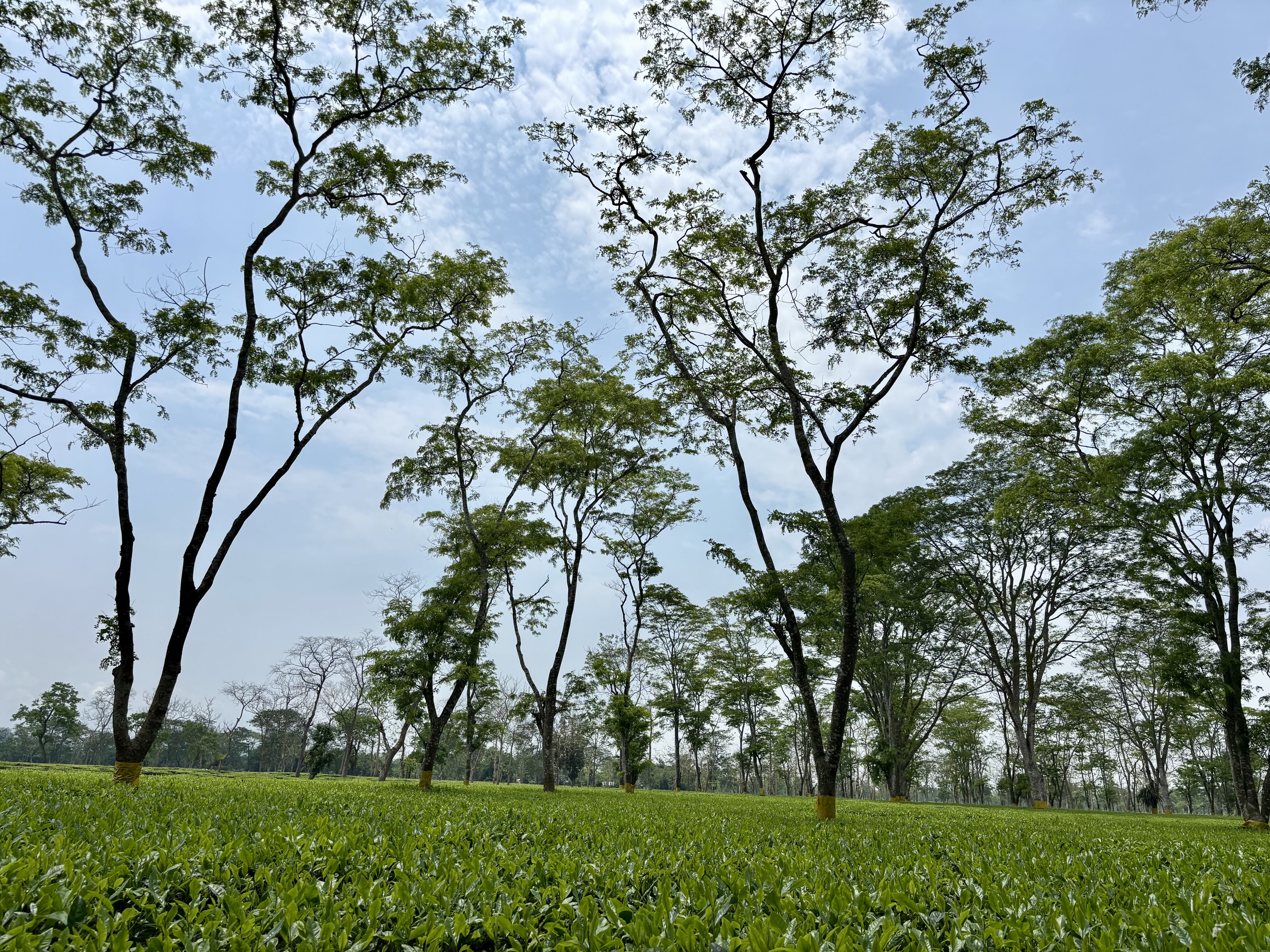
Mapping and safeguarding high conservation value zones, propagating indigenous shade-tree canopies, and securing local avian and terrestrial fauna migratory pathways.
Waste Management
Integrated organic waste upcycling alongside controlled storage and auditable extraction of hazardous non-biodegradable waste materials by authorized agencies.
Energy Management
Proactive data auditing of factory thermal and electrical consumption footprints, optimizing withering and drying machinery settings, and clean fuel expansion.
Traceability – Product Safety
End-to-end transparent chain of custody from individual agricultural blocks, pluck batching timestamps, processing shifts, up to the finalized global shipping crate details.
Food Safety
Full synchronization with FSSAI regulations on processing floors. Uncompromising routine checks for residue analysis (MRL parameters), heavy metals, and rigorous personal hygiene tracking.
Occupational Health & Safety
Deployment of certified personal protective gear (PPE), immediate field emergency medical access networks, frequent hazard-mitigation training, and regular medical check-ups.
Fair Wages and Decent Work
Full legal wage transparency matching and surpassing baseline benchmarks, regulated work hour parameters, transparent payslips, worker residential infrastructure, and clean water delivery.
Workers’ Rights
Zero tolerance for child or forced labor networks. Continuous support for democratic representations, workplace safety forums, direct internal grievance paths, and active gender parity frameworks.
Sundarpur through the lens